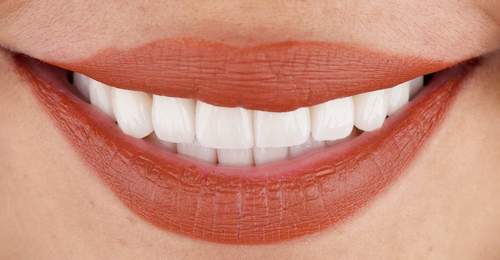
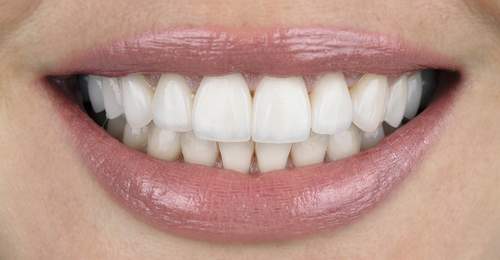
Dental Bonding in Westborough, MA
Looking to improve the appearance of chipped, cracked, discolored, or uneven teeth? Dental bonding in Westborough, MA, is a conservative cosmetic dental treatment that can repair minor imperfections and enhance your smile. At Westborough Family Dental, dental bonding uses tooth-colored composite resin to reshape or improve the appearance of teeth, often without the extensive preparation required for other cosmetic treatments.
Dental bonding may be an alternative to porcelain veneers for patients looking to address certain cosmetic concerns. Your dentist can help determine which treatment is best for your teeth, goals, and oral health.
What Is Dental Bonding?
Dental bonding is a cosmetic dental procedure that uses a tooth-colored composite resin to improve the shape, color, or overall appearance of a tooth. The resin is carefully matched to your natural tooth shade and shaped to blend with your smile.
Depending on your needs, dental bonding may help address:
- Chipped or slightly cracked teeth
- Minor gaps between teeth
- Discolored teeth that do not respond well to whitening
- Uneven tooth edges or irregular tooth shapes
- Minor cosmetic imperfections
Bonding is generally best suited for small cosmetic changes. More extensive damage or alignment concerns may require a different restorative or cosmetic treatment.
How Does the Dental Bonding Procedure Work?
Dental bonding is typically completed in a single appointment. The process is minimally invasive in many cases and often requires little to no removal of natural tooth structure.
- Tooth preparation: Your dentist selects a composite resin shade that closely matches your natural teeth. The tooth surface is prepared to help the material adhere properly.
- Applying the bonding material: A conditioning solution is applied, followed by the tooth-colored composite resin.
- Shaping the tooth: Your dentist carefully sculpts the resin to create the desired shape and appearance.
- Hardening and polishing: A special curing light hardens the resin. The bonded area is then trimmed, smoothed, and polished for a natural-looking finish.
The result is a tooth that looks more even and blends with the surrounding teeth. Treatment time varies depending on the number of teeth being treated and the extent of the cosmetic changes.
How Long Does Dental Bonding Last?
Dental bonding commonly lasts about three to five years, although its lifespan varies depending on the location of the bonding, your bite, oral hygiene habits, and everyday wear. With proper care, some bonded teeth may last longer.
Composite resin is not as strong or stain-resistant as natural enamel or some other restorative materials. Bonded teeth may become discolored, chipped, or worn over time and may need polishing, repair, or replacement.
To help maintain your results:
- Brush twice daily with fluoride toothpaste and floss every day.
- Attend regular dental checkups and professional cleanings.
- Avoid biting your fingernails, chewing ice, or using your teeth to open packages.
- Limit frequent exposure to stain-causing foods and beverages, such as coffee, tea, and red wine.
- Ask your dentist about treatment for teeth grinding if you clench or grind your teeth.
Dental Bonding vs. Porcelain Veneers
Dental bonding and porcelain veneers can both improve the appearance of teeth, but they differ in materials, durability, and treatment requirements.
- Dental bonding: Uses composite resin to repair minor imperfections. It is often completed in one visit and usually requires less alteration of the natural tooth.
- Porcelain veneers: Use custom-made porcelain shells bonded to the front surfaces of teeth. They typically offer greater stain resistance and may last longer, but treatment generally involves more preparation and multiple visits.
The right option depends on your cosmetic goals, the condition of your teeth, and your budget. Your dentist can explain the advantages and limitations of each treatment and help you choose an appropriate option.
Is Dental Bonding Right for You?
You may be a candidate for dental bonding if you have healthy teeth and gums and want to correct minor chips, small gaps, discoloration, or uneven tooth edges. Bonding may not be the best option for teeth with extensive damage, significant decay, or bite problems that place excessive pressure on the bonded material.
A dental examination can help determine whether bonding is appropriate or whether another treatment would provide a more predictable, long-lasting result.
Schedule a Dental Bonding Consultation in Westborough, MA
If you would like to improve your smile with dental bonding, Westborough Family Dental can help you explore your cosmetic dentistry options. Contact our office in Westborough, Massachusetts, to schedule a consultation and discuss your goals, treatment recommendations, and expected results.
Call us at Westborough Family Dental Phone Number 508-366-2210 with any questions or book your consultation online.
Call TodayBook Online